 Skip to content



The 5 Areas in the Home Where Falls Are Most Likely to Occur
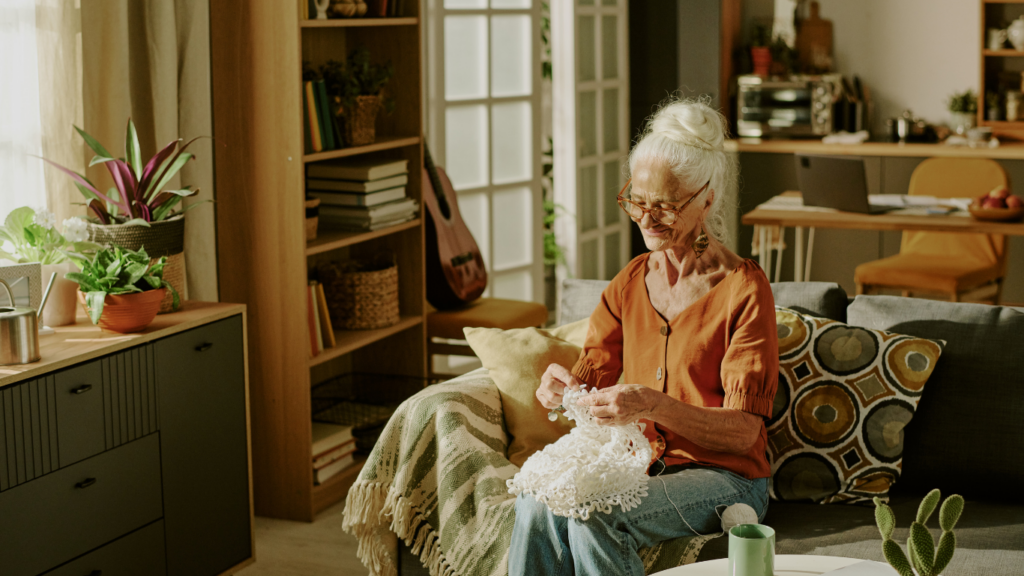
Staying at home is the preferred choice for the vast majority of Canadian seniors who wish to maintain their independence, their memories, and their routines. However, as we age, our familiar surroundings can hide small, invisible obstacles. According to public health data, the vast majority of falls among older adults occur right at home.
Fortunately, many of these accidents can be prevented with a few simple adjustments. Let’s take a tour of the house together to identify the five highest-risk areas and find out how to make them safe with ease.
1. The bathroom: The slippery floor
Statistically, it is the most dangerous place in the house because of the presence of water, hard surfaces, and steam, which can cause dizziness.
- How to make it safe: Replace ordinary bath mats with non-slip mats that have suction cups on the inside and outside of the shower or bathtub. Installing grab bars that are securely anchored to the wall (rather than suction-cup bars, which can come loose) provides crucial support for sitting down and standing up.
- Safety First: This is where the risk of slipping is highest. Our emergency button is completely waterproof and designed to be worn in the shower or bath. Never leave it on the counter!
2. The Kitchen: Objects Out of Reach
When trying to reach for a can or a dish on the top shelf of deep cabinets, we lean over, stretch, or—worse yet—climb onto a wobbly chair. That’s a surefire way to lose your balance.
- How to make it safe: Reorganize your cabinets. Place all items, pots, and foods used daily at waist or chest height. If you absolutely must use a step ladder, make sure it has wide steps and a sturdy handrail.
3. Stairs: Poor visibility
Whether you’re going down to the basement or up to the bedrooms, stairs require your full attention. A misstepped or slippery step can have serious consequences.
How to make them safe: Make sure a sturdy handrail is installed on both sides of the staircase. Lighting is also key: Install light switches at the top and bottom of the stairs, or use automatic motion-sensor night lights to ensure that every step is clearly visible, day or night.
4. The Living Room: Obstacles on the Floor (and Rugs!)
The living room is a place to relax, but it’s often cluttered with small objects that get in the way: loose electrical cords, coffee tables that are too low, and, above all, those infamous small decorative rugs that slide around or have corners that curl up.
How to make it safe easily: Remove small rugs completely or secure them to the floor with industrial-grade double-sided tape. Clear the main walkways and secure electrical cords along the baseboards to free up space.
5. The outdoor terrace and courtyard: Uneven surfaces
In the summer, the yard and the patio become extensions of the house. However, a raised wooden plank, a crack in the concrete sidewalk, wet grass, or a slight slope can catch even the most agile off guard.
How to make them safe: Make sure outdoor walkways are clear of any loose items, such as garden hoses lying on the ground. Repair any loose deck boards and apply anti-slip tape to outdoor wooden steps.
There’s no such thing as zero risk: Be prepared with the Residence Plan
You can follow all the safety tips in the world, but there’s no such thing as zero risk. Sudden dizziness, weakness, or a simple accident can happen in a fraction of a second.
This is exactly where our Residence Plan really comes into its own. Designed specifically to keep you safe at home every day, it ensures that you’re never alone, even in the most critical moments:
- Extended range: The signal from your emergency button covers a distance of up to 1,000 feet around your central console. This means you’re protected not only in your living room and bathroom, but also throughout your patio, porch, and yard.
- Waterproof protection: As mentioned for the bathroom, the button is 100% waterproof. You can mop your floors, take a shower, or water your plants outside without ever having to remove it.
Securing your home is the first step toward maintaining your independence. Having a direct connection to our 24/7 monitoring center is the foundation of that.