 Skip to content


The Fridge Checklist: 4 Essential Pieces of Information to Keep Visible in Case of an Emergency
When an accident at home requires the assistance of paramedics or firefighters, every second counts. In the rush and stress of an emergency, it’s often very difficult for an older adult (or even for their panicked loved ones) to recall off the top of their head the exact list of their medications, allergies, or medical history.
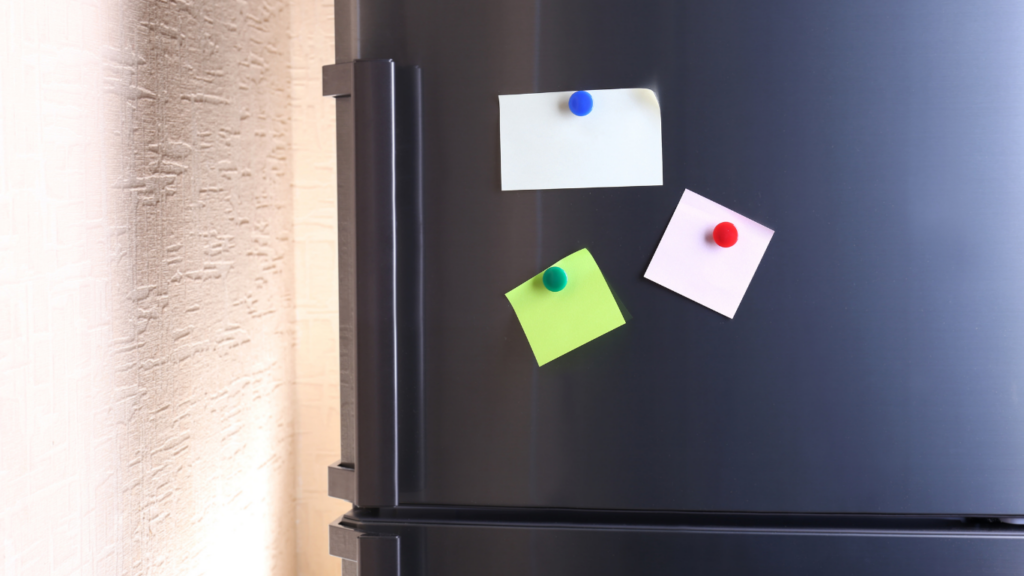
Did you know that in Canada, first responders have a very specific habit when they enter a home? They very often head straight for the refrigerator.
This is the most central, visible, and accessible spot in the house. Here are the four essential pieces of information you should prepare today and stick right on your fridge to make it easier for emergency responders.
1. The updated list of medications and allergies
This is the most critical information for paramedics. Administering the wrong treatment or a medication that is incompatible with an existing prescription can have serious consequences.
- What to include: List the names of all medications taken daily, the dosages, and the time of day they are taken. Be sure to write your known allergies (to medications or foods) in large red letters.
- Tip: Ask your pharmacist for an updated printed copy the next time you pick up a refill.
2. Your major medical history
If you are unable to speak when you arrive at the hospital or when emergency responders are treating you, this card will speak for you.
- What to Include: Briefly list your main health conditions: pacemaker, diabetes, heart problems, asthma, high blood pressure, or recent major surgeries.
3. The list of emergency contacts (with roles)
When emergency responders take a person into their care, they must promptly notify a family member or someone who has the keys to the person’s home.
- What to include: List 2 to 4 trusted individuals, including their names, your relationship to them (e.g., daughter, neighbor), their primary phone number, and whether they have a key to the house.
4. Your medical alert account information
If you use a medical alert system, emergency responders need to know immediately which dispatch center they are working with.
- What to include: Write down the name of your medical alert provider, your account/customer number, and the toll-free number for the monitoring center.
The Perfect Pair: The Note on the Fridge and Your 24/7 Power Supply
You might be wondering, “If I already have an emergency button, why do I also need a note on my fridge?”
The answer is simple: these two tools work together to create an impenetrable safety net.
- At our monitoring center: As soon as you press your button, our monitoring agents already have access to your secure digital file. If we need to contact 911 to send you help, we immediately provide the dispatchers with your basic information and emergency contacts.
- In the Field: When the paramedics physically arrive in your living room or bedroom, having your medical record visible on the refrigerator allows them to instantly verify your medication dosages and take action without wasting a single second.
Take 10 minutes this week to fill out this form with a loved one. It’s a small, simple gesture that costs nothing, but it can make all the difference when you need it most.